
Wandering in dementia: tips, safety and experiences of carers
When a loved one is diagnosed with dementia, it changes the lives of the whole family. Informal carers face a difficult but rewarding task. One of the biggest challenges they often face is wandering behaviour associated with dementia. It can be very frightening when a loved one suddenly wanders off and can no longer find their way home. Fortunately, there are ways to deal with this more effectively, recognise the signs early on and use tools that provide safety.
In this article, we discuss how to recognise the early signs of dementia, provide practical tips for carers dealing with wandering behaviour, look at safety outside the home, and discuss aids such as a GPS watch or a GPS tracker for dementia. We also share how personal stories from carers can offer support and a sense of recognition.

How can you recognise the early signs of dementia?
Early detection of dementia is important in order to provide appropriate care and support. Many people wonder: when is forgetfulness normal, and when are the first signs of dementia present?
Common symptoms of dementia:
-
- \
- Regularly misplacing things or forgetting where items are.
\
-
- Difficulty with daily tasks such as cooking or answering the phone.
\
-
- Language problems: struggling to find the right words or using the wrong ones.
\
-
- Changes in behaviour or personality, such as suspicion or irritability.
\
- Disorientation in time and place: no longer knowing what day it is or getting lost in familiar surroundings.
The difference between ordinary forgetfulness and symptoms of dementia lies mainly in the frequency and impact. Everyone forgets an appointment now and then, but in dementia this affects daily functioning. In Alzheimer’s, this usually manifests as memory problems, whilst vascular dementia or frontotemporal dementia is often more noticeable in behaviour or language.
It is important for carers to be alert to these early signs. The sooner a diagnosis is made, the sooner support can be arranged.

Tips for carers dealing with wandering behaviour
Wandering behaviour can be caused by restlessness, boredom, disorientation or simply the need for exercise. This can be very stressful for carers. Fortunately, there are practical ways to manage this better:
-
Create structure and routine
A fixed daily routine provides calm and predictability. Plan walks or activities at fixed times of the day. -
Make the environment recognisable
Use clear labels, pictograms or colour codes on doors and cupboards. This helps to reduce confusion. -
Supervise outdoor
activities Going outside together prevents wandering and provides healthy exercise at the same time. -
Involve the neighbourhood or local community
Tell neighbours and acquaintances that your loved one has dementia, so that they can be on the lookout if he or she goes out alone. -
Use aids
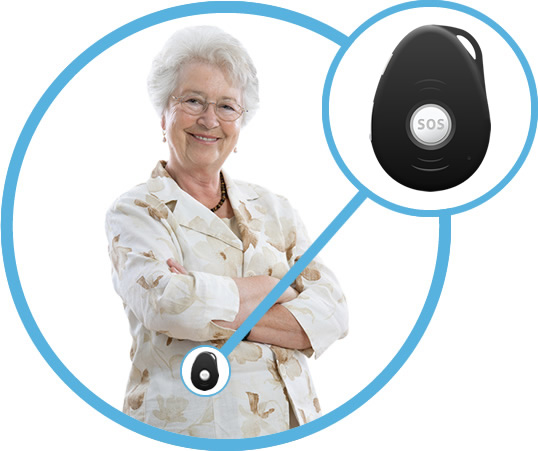
Modern technology can offer support. A GPS watch for dementia or a GPS tracker makes it possible to locate someone at any time. Some models even have an SOS button that allows you to make direct contact.
These tips not only help with dealing with wandering behaviour, but also give carers greater peace of mind and confidence.
Safety outside the home for people with dementia
For many people with dementia, exercise and fresh air are important. However, being outdoors can increase the risk of getting lost. Safety outdoors for people with dementia therefore requires extra attention.
Practical tips for greater safety outdoors:
-
- \
- Familiar routes: always let your loved one walk the same, familiar paths.
\
-
- Contact details clearly visible: ensure they have a wristband or card with their name and telephone number.
\
-
- Reflective clothing: particularly important in the dark or near busy roads.
\
-
- GPS aids: a dementia GPS tracker or a GPS watch provides peace of mind and makes it possible to find someone quickly.
\
- Geofencing: many trackers have the option to set up a safe zone. As soon as someone leaves this area, the carer receives a notification.
These measures allow a person with dementia to remain mobile and active, whilst staying within safe boundaries. This promotes independence and gives carers greater peace of mind.
Tools: GPS tracker and GPS watch for people with dementia
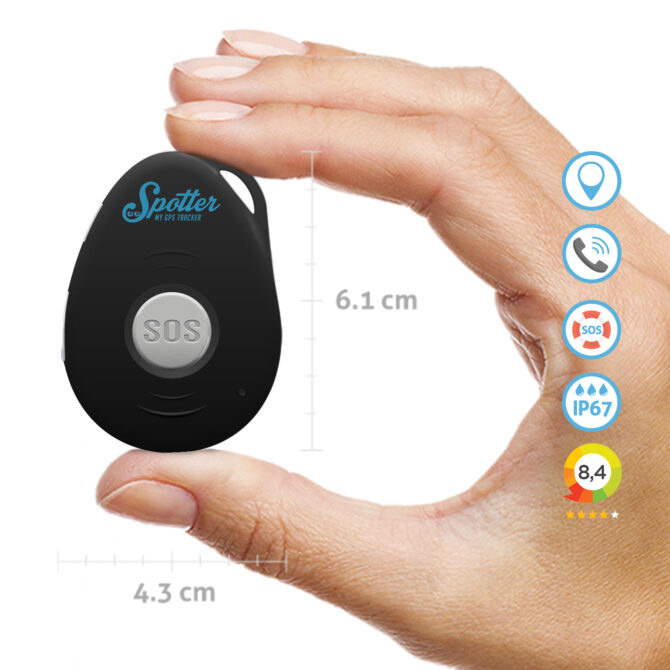
Technological aids are becoming increasingly important in informal care. They have become indispensable, particularly for people with dementia who wander.
GPS tracker for dementiaA small device that is easy to carry, for example in a coat pocket or on a set of keys. Often equipped with an SOS button so that help can be summoned immediately.
GPS watch for dementiaWorn like a watch, it is discreet and user-friendly. In addition to location tracking, some models have extra features such as a heart rate monitor or a pedometer.
For carers, this means peace of mind and reassurance, as they always know where their loved one is. For people with dementia, it actually means greater freedom: they can move about independently without compromising their safety.

Emotional strain and support for informal carers
Caring for someone with dementia is not only a practical challenge, but also an emotional one. Dealing with wandering behaviour can lead to stress, fatigue and feelings of helplessness. That is why it is important to look after yourself as well.
Tips for self-care for carers:
-
- \
- Share care responsibilities: ask family or friends for help so that you don’t have to bear the burden alone.
\
-
- Make use of respite care: day care or overnight care can provide temporary relief.
\
-
- Find others in a similar situation: talk to other carers who understand what you’re going through.
\
- Keep planning time for yourself: time for relaxation or a hobby helps you maintain your energy.
Self-care is not a luxury, but a necessity. Only by looking after yourself properly can you sustain caring for a loved one in the long term.

Stories from informal carers
Nothing offers as much reassurance as the stories of other carers. Personal accounts of caring for someone with dementia show that you are not alone in looking after a loved one. Many carers share how difficult it can be to be constantly on the alert, but they also talk about the positive moments.
For example, some carers describe how relieved they felt when they started using a GPS tracker for dementia. It gave them more freedom to pop out for a quick shop without worrying that their loved one might get lost. Others emphasise how valuable support from the local community or a peer support group can be.
By reading or sharing experiences, you gain new insights and practical ideas that you can apply to your own situation.
Summary: dealing with wandering and dementia
Caring for someone with dementia places significant demands on carers, particularly when wandering behaviour occurs and there are concerns about safety outside the home. By being alert to the early signs of dementia, providing structure and making use of modern aids such as a GPS watch for dementia or a GPS tracker subscription-free, carers can feel more at ease and secure.
Key points:
-
- \
- Recognise the early signs and symptoms of dementia in good time.
\
-
- Create a safe and predictable environment for your loved one.
\
-
- Use aids such as a GPS tracker or GPS watch to ensure safety.
\
-
- Seek support from other carers and read personal accounts.
\
- Don’t forget to look after yourself.
With the right knowledge, tips and resources, the quality of life for both people with dementia and their carers can improve significantly. Read more articles about dementia here.


