
How can you recognise the early signs of dementia?
Dementia is a serious brain disorder that slowly but surely affects a person’s ability to function in daily life. It is estimated that over 290,000 people in the Netherlands are living with some form of dementia, and this number is rising. Early recognition of the first signs of dementia is important, as a timely diagnosis can help ensure the right care, guidance and support are provided. But how can you tell whether memory problems are still ‘normal’ or whether they are actually signs of dementia?

The first signs of dementia in everyday life
In the early stages, the symptoms are often subtle. However, there are some clear signs:
-
- \
- Memory problems: A person not only forgets small things, but often repeats questions or forgets recent events.
\
-
- Concentration problems: Difficulty following conversations or carrying out a task that used to be second nature.
\
-
- Changes in language use: Being unable to find the right words or using the wrong words.
\
-
- Disorientation: Confusion about time and place, for example, no longer knowing what day it is.
\
-
- Changes in behaviour: Sudden mood swings, distrust or withdrawal from social situations.
\
- These symptoms of dementia may seem vague at first, but become clearer over time.

Forgetfulness or dementia: what’s the difference?
Many people wonder: when are memory problems serious or just normal? Forgetfulness is partly a natural part of ageing. The difference between this and dementia lies in the severity and the impact on daily life.
-
- \
- Normal forgetfulness: Temporarily forgetting a name or appointment, but remembering it later.
\
- Early symptoms of dementia: Someone consistently forgets important events, later cannot recall that they have forgotten anything, or has difficulty recognising familiar people and places.
A handy mnemonic: with normal forgetfulness, day-to-day functioning remains largely intact, whereas with dementia, the first signs increasingly affect independence.
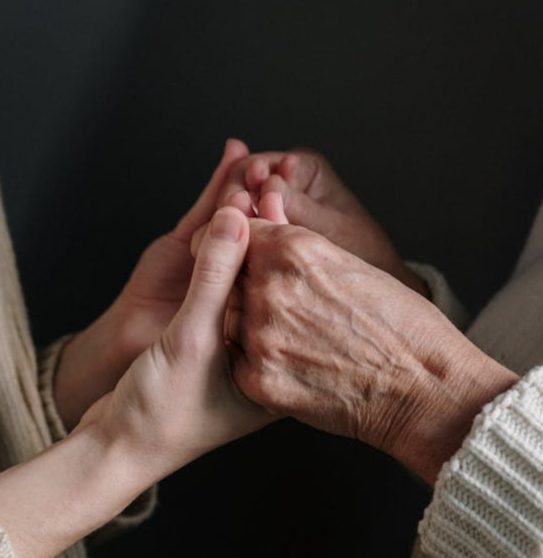
Behavioural changes as early signs of dementia
It is not just memory that is affected. Behaviour and personality can also change. Many carers are the first to notice this. For example:
-
- \
- Loss of initiative: No longer interested in hobbies or activities that used to be important.
\
-
- Incomprehensible emotions: Suddenly feeling angry or sad for no apparent reason.
\
- Changes in social behaviour: More reserved, less empathetic, or, conversely, inappropriate behaviour.
These kinds of behavioural changes in dementia are often the first signs for those around the person that there is more going on than just age-related forgetfulness.
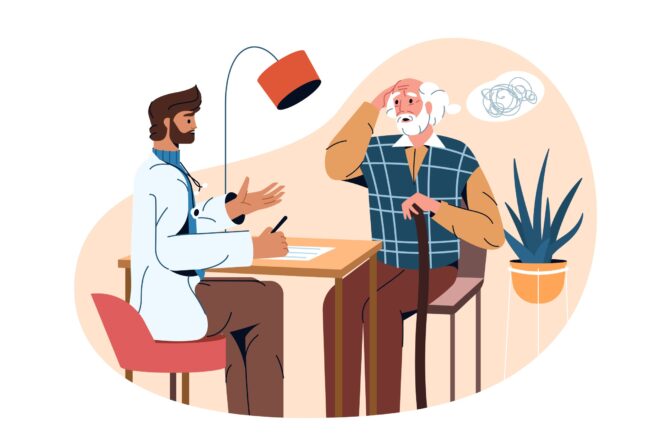
When should you see your GP if you notice signs of dementia?
Many people are unsure: when should you see your GP if you notice signs of dementia?
It is advisable to seek medical help when:
-
- \
- Memory or concentration problems occur regularly and seem to be getting worse.
\
-
- Behaviour changes noticeably and affects relationships or work.
\
-
- There is restlessness, confusion or getting lost in familiar surroundings.
\
- Informal carers are concerned about safety or independence.
The GP can assess whether the symptoms are consistent with early-stage dementia or have another cause, such as stress, depression or a vitamin deficiency.
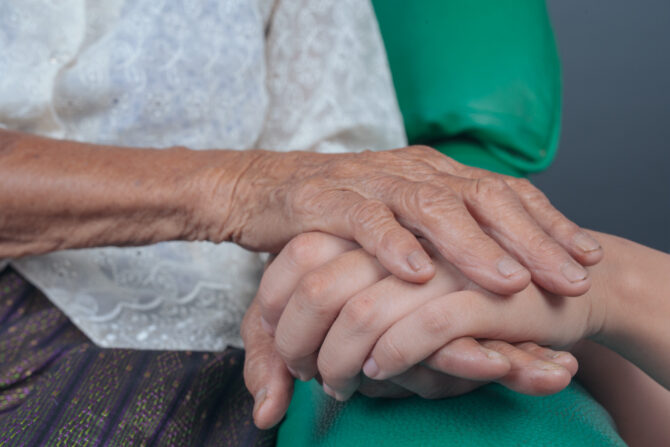
The role of informal carers in identifying issues
It is often difficult for informal carers to recognise the point at which normal ageing gives way to a medical condition. Yet they play a crucial role in identifying dementia. Because they are in daily contact, they notice changes more quickly. Important tips:
-
- \
- Keep a diary noting instances of forgetfulness or other behavioural changes.
\
-
- Discuss changes openly with other family members.
\
-
- Be alert to symptoms relating to both memory and concentration, as the combination can be significant.
\
- Seek support from a GP or memory clinic at an early stage.
Recognising the symptoms of dementia early on can help carers to be better prepared for the future.
How can you tell if someone has early-stage dementia?
The question “how can you tell if someone is in the early stages of dementia?” is not easy to answer. It varies from person to person and depending on the type of dementia. Nevertheless, there are patterns that often recur:
-
- \
- Asking the same questions repeatedly – especially about recent events.
\
-
- Changes in daily routines – for example, forgetting how the washing machine works.
\
-
- Language problems – difficulty finding the right word.
\
-
- Loss of overview – for example, problems with paperwork or cooking.
\
- Anxiety or fear – because someone feels that something is not quite right.
These signs are often vague, but together they paint a clearer picture.

What can you do if you suspect dementia?
If you recognise the early signs of dementia, there are a number of steps you can take:
-
- \
- Talk about it with the person themselves, although this may be difficult.
\
-
- Consult your GP for an initial assessment.
\
-
- Seek reliable information from organisations such as Alzheimer Nederland.
\
- As a carer, provide support by offering structure and remaining patient.
An early diagnosis can ensure that treatments and aids are put in place to make daily life more bearable for longer.

Conclusion: early detection makes all the difference
The early signs of dementia are often subtle, but by paying attention to memory problems, behavioural changes and difficulties concentrating, action can be taken at an early stage. It can sometimes be difficult to tell the difference between normal forgetfulness and dementia, but if symptoms worsen or start to affect daily life, it is advisable to consult a GP.
For carers, staying alert is crucial. By recognising dementia through symptoms relating to memory and concentration, the right care can be provided more quickly. This helps not only the person with dementia, but also those around them, who play a vital role in providing support. Read more articles about dementia here.


