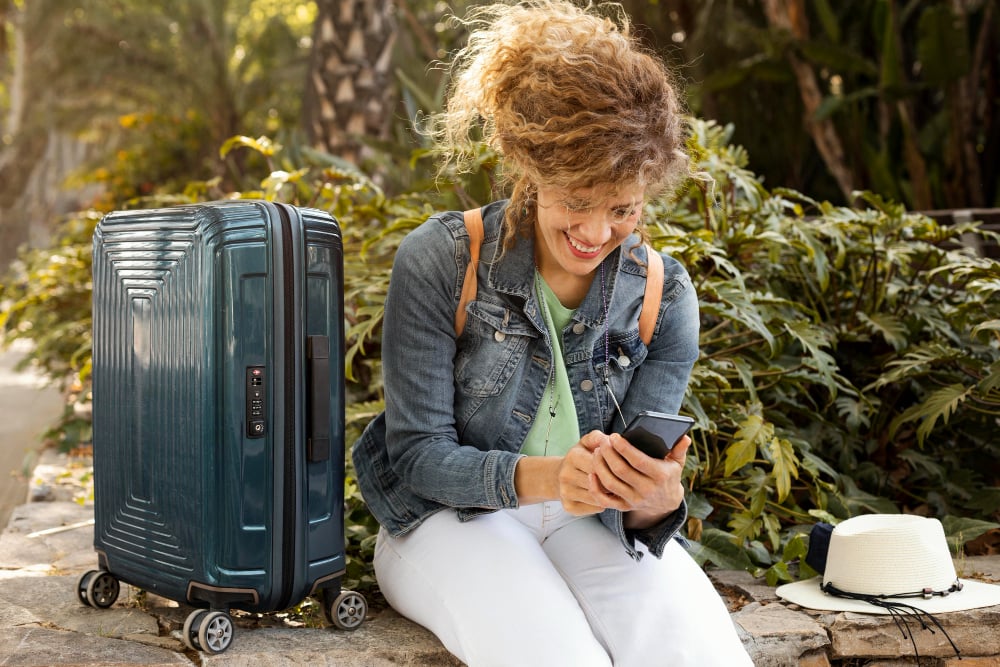
A GPS tracker in a suitcase usually falls under small electronic devices with limited battery capacity. As long as the battery stays within the set limits and is well protected, this is generally allowed. Many travellers wonder whether they can put a GPS tracker in their luggage and whether airlines permit this. Especially when you are carrying valuable items, or simply want the peace of mind that your suitcase arrives safely, such a small device can offer a lot of reassurance. Still, you don’t want any problems at the check-in desk or during the security check. In this guide we explain clearly what is and isn’t allowed, how airlines and safety rules view this and what you need to pay attention to yourself. This way you can make an informed choice about whether a tracker suits your trip and how to use it safely and smartly. You’ll read practical tips for at the airport, during a layover and in the event of lost luggage. We also show which settings are important, so that you are not caught by surprise and can travel with peace of mind.
Why a tracker in your suitcase can be so useful
Anyone who has ever lost a suitcase knows how stressful that can be. Days of phone calls with the airline, filling in forms and meanwhile no idea where your belongings are. With a GPS tracker in your suitcase you often quickly gain insight into the last location of your luggage. This not only provides peace of mind, but also helps the staff at the airport search more specifically.
Even on short city trips or business trips, GPS can be a solution. You can see immediately whether your luggage has been loaded onto the plane, where the suitcase is during a layover and whether it has arrived at the right airport. Especially on flights with tight connections, it’s nice to be able to follow along.
In addition, travelling is getting busier and busier: full terminals, queues and changing procedures. A tracker is then an extra bit of security on top of the standard luggage tags. This makes you less dependent on the airline’s systems and keeps you in control of your belongings.
What do airline rules say about electronics in your suitcase?
Almost all airlines follow the international guidelines of organisations such as IATA and EASA. Those rules mainly concern the safety of batteries and wireless equipment in the hold. A tracker usually falls under small electronic devices with limited battery capacity. As long as the battery stays within the set limits and is well protected, this is generally allowed.
What matters is whether the device has a lithium battery and how large it is. Most compact trackers have a very small battery, well within the safety margins. Some airlines prefer devices in the hold to be in a kind of sleep mode or to transmit very little. Therefore always check the conditions of your airline just before departure.
Also note the difference between hand luggage and checked luggage. A tracker in your hand luggage causes less discussion, but offers no advantage if your suitcase is checked in. By checking the rules in advance, you avoid discussions at the desk and can travel with confidence.
What should you pay attention to technically and practically?
If you use a GPS tracker, good preparation is important. First check the battery life: you want the tracker to last at least the entire outbound trip, possible delays and the arrival period. Therefore choose a model that uses energy efficiently or offers different energy modes. Before departure, check whether the device is fully charged.
In addition, network and roaming settings play a role. Many trackers use mobile networks, sometimes supplemented with Bluetooth or wifi positioning. Make sure the SIM card in your suitcase tracker also works abroad and has coverage at the airports where you travel. Test the connection a few days before you leave, so that you don’t only discover at the airport that something has been configured incorrectly.
Finally, placement is important: don’t tuck the GPS tracker away deep under heavy metal objects, as this can weaken the signal. An inner pocket or lining pocket, preferably at the edge of the suitcase, usually ensures better reception without the device being visible to others.
How to use a tracker without problems at security
Most security staff are now familiar with small trackers in luggage, but clear choices reduce the chance of questions. Preferably choose a model whose transmission frequency or intensity you can lower. Some devices offer a flight mode or energy-saving setting in which contact with the network is made less often, which often aligns better with the regulations in the hold.
Also prepare for any questions. If an employee asks you what is in the suitcase, you can calmly explain that it is a small device to track the location of your luggage. Avoid terms that could lead to misunderstandings. If necessary, keep a short manual or photo of the product on your phone to show what exactly you are using.
- Enable an energy-saving mode before departure.
- Check the most recent rules of your airline.
- Place the tracker in an easily accessible inner pocket.
- Test the app and location service before you go to the airport.
- Inform fellow travellers, so that they know there is a tracker in the suitcase.
By following these steps, you use a GPS tracker in a way that is both practical and responsible, without unnecessary tension during the security check.
When do you choose a special solution instead of a basic tracker?
Not every traveller has the same needs. Someone who only goes away for a weekend may be helped by a simple tracker in your suitcase that occasionally sends a location. But if you fly regularly, transport expensive equipment or travel for several family members, a more comprehensive system can offer more certainty. Think of better worldwide coverage, longer battery life and a clear app with which you follow several suitcases at the same time.
A specialised tracker, such as the solutions described on GPS tracker, is often developed with practical use by families and informal carers in mind. There is a lot of attention for ease of use: a clear map view, clear notifications and simple settings. This makes it easy to oversee for less technical users too.
For parents it can also be pleasant that the same app is sometimes also suitable for other trackers, for example for children or vulnerable family members. This way you have all important people and luggage in view in one central place and you don’t have to work with several systems during an already busy travel day.
Conclusion
A GPS tracker suitcase can be a great reassurance in a time when suitcases get lost more often and airports are busier than ever. In most cases you can use such a device without any problems, provided the battery falls within the applicable limits and you take your airline’s guidelines into account. By testing the device in advance, placing it well in your luggage and using energy-saving settings, you limit the chance of questions or malfunctions.
Still in doubt whether a tracker suits your situation, or do you want to know which features really make a difference for you as a parent, informal carer or family member? Then delve into the possibilities of a specialised solution and see which options best suit your way of travelling. This way you step onto the plane with more confidence, knowing that you always have an extra pair of digital eyes on your luggage.