
Outdoor safety for people with dementia: tips, resources and key considerations
When someone has dementia, going outdoors or going for a walk brings not only benefits but also risks. Fresh air, exercise and social interaction are important for the wellbeing of people with dementia, but safety must not be overlooked. In this article, you can read about what to look out for regarding outdoor safety for people with dementia, what dangers exist and what aids can help make being outdoors safe and enjoyable.

Why spending time outdoors remains important for people with dementia
People with dementia often tend to withdraw. Yet going outside is very beneficial. It helps to:
-
- \
- Exercise and health: walking helps keep muscles and joints supple.
\
-
- Mental stimulation: experiencing stimuli outdoors supports brain activity.
\
- Well-being and mood: daylight and fresh air reduce stress and improve sleep patterns.
At the same time, dementia can lead to disorientation, uncertainty and sometimes even dangerous situations when outdoors. A good balance between freedom and safety is therefore essential.
Potential hazards outdoors for people with dementia
When it comes to the safety of people with dementia outdoors, it is important to be aware of the risks. Some common hazards include:
-
- \
- Getting lost or disorientation
People with dementia may suddenly no longer recognise familiar routes. This can lead to them getting lost, even in their own neighbourhood.
- Getting lost or disorientation
\
-
- Misjudging
traffic situations Dementia affects the ability to assess situations. Crossing busy roads or reacting to unexpected traffic movements can therefore be dangerous.
- Misjudging
\
-
- Overstimulation
Busy environments can be confusing. Too many stimuli at once cause stress, making it easier for someone to lose their bearings.
- Overstimulation
\
- Unsafe weather
conditions Slippery conditions caused by rain or ice increase the risk of falling. Heat or cold can also pose additional risks, as people with dementia may sometimes find it harder to recognise signs of discomfort.
Tips for staying safe outdoors if you have dementia
For carers and support workers, there are practical ways to improve safety when out and about. Here are some tips for staying safe outdoors when living with dementia:
1. Choose a safe route
-
- \
- Avoid busy roads and choose quiet, clear streets.
\
-
- Keep routes short and familiar.
\
- Use landmarks such as a church, supermarket or park. This helps people with dementia recognise the route.
2. Go for a walk together
Going outside together provides a sense of calm and safety. It is also a lovely opportunity for social interaction.
3. Adjust the time
Choose to go for a walk at quieter times of the day. In the morning or early afternoon, there is less chance of it being busy.
4. Make sure you have suitable clothing and shoes
Comfortable shoes with sturdy soles reduce the risk of falling. Dress for the weather and ensure the person is clearly visible, for example by wearing a reflective vest in the dark.
5. Establish a routine
A fixed walking route and a fixed time help with recognition and predictability. This gives the person with dementia more stability.
Aids for outdoor safety for people with dementia
As well as thorough preparation, certain aids can also help to ensure safety:
-
- \
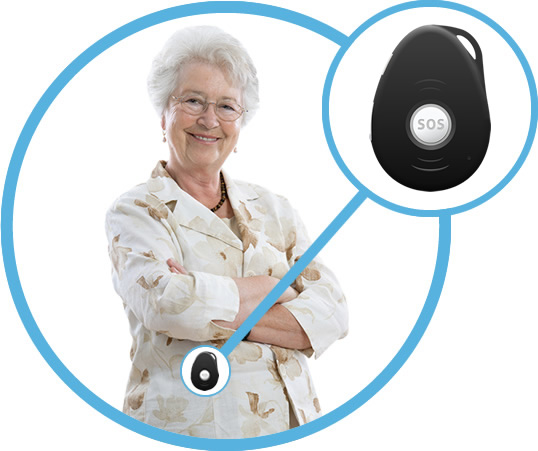
- GPS trackers or watches
Useful when someone wants to go out on their own. The carer can see where the person is via an app. Some systems have an alarm button for emergencies.
- GPS trackers or watches
\
-
- Identification card
A card in their coat or wallet with their name, address and telephone number is important in case they get lost.
- Identification card
\
-
- Easy-to-use
smartphones There are special phones for older people with large buttons and an emergency function.
- Easy-to-use
\
-
- Walking frames or walking sticks
If you have mobility issues, these aids not only improve safety but also boost confidence when walking.
- Walking frames or walking sticks
\
- Safety key rings or bracelets
Featuring personal details or a QR code that can be scanned by bystanders to contact family or carers.
What should you look out for as a carer?
Informal carers play a key role in ensuring safety outside the home for people with dementia. Please bear in mind:
-
- \
- Signs of tiredness or anxiety: do not force long walks.
\
-
- The level of independence: sometimes someone is still perfectly capable of popping round the block on their own, but this can change over time.
\
-
- Consult with professionals: district nurses or dementia case managers can advise on aids and adaptations.
\
- Small steps: give someone the chance to build up confidence with short, safe walks before attempting longer routes.
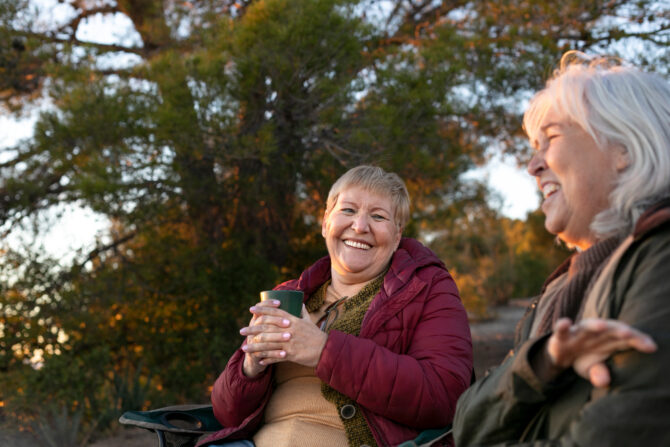
Balance between freedom and safety
It is important not to let safety measures become overly restrictive. People with dementia still need independence and freedom. By making clever use of aids and adapting routes, going out remains both possible and enjoyable.
Conclusion
Outdoor safety for people with dementia requires preparation, attention and the right aids. By focusing on route recognition, risks such as getting lost or traffic situations, and by providing support or GPS aids, being outdoors becomes both safer and more enjoyable.
For people with dementia, walking outdoors is a source of health and enjoyment. With the right measures in place, this can be maintained safely – for both the person themselves and their carer. Read more articles about dementia here.


