
GPS trackers for people with dementia: safety, freedom and peace of mind
When someone close to you develops dementia, a lot changes. One of the biggest concerns for carers is: “What if my father, mother or partner gets lost?” Fortunately, modern technology offers a helping hand. A GPS tracker for people with dementia ensures that your loved one stays safe, without losing their sense of freedom.
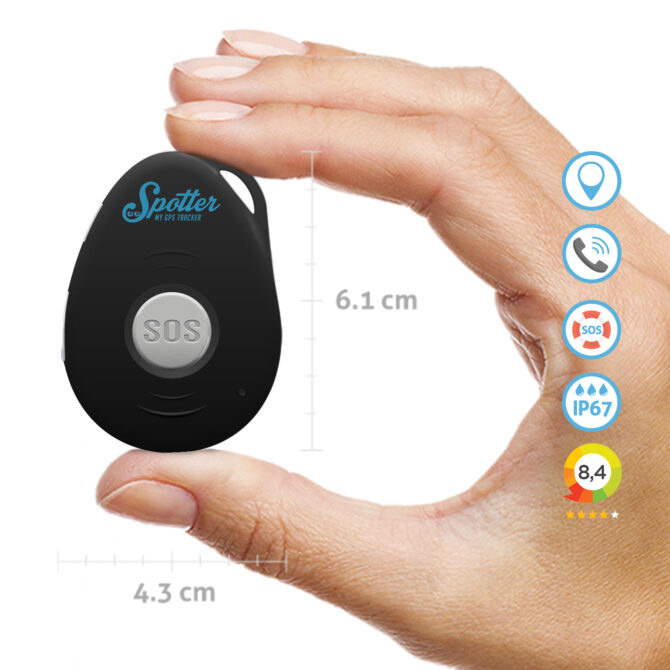
What is a GPS tracker for people with dementia?
A GPS tracker for people with dementia is a small device, often in the form of a watch, pendant or bracelet, that allows you to see where someone is at all times. Using an app on your phone, you can track their location, view their routes and even receive alerts if they leave a pre-set safe zone.
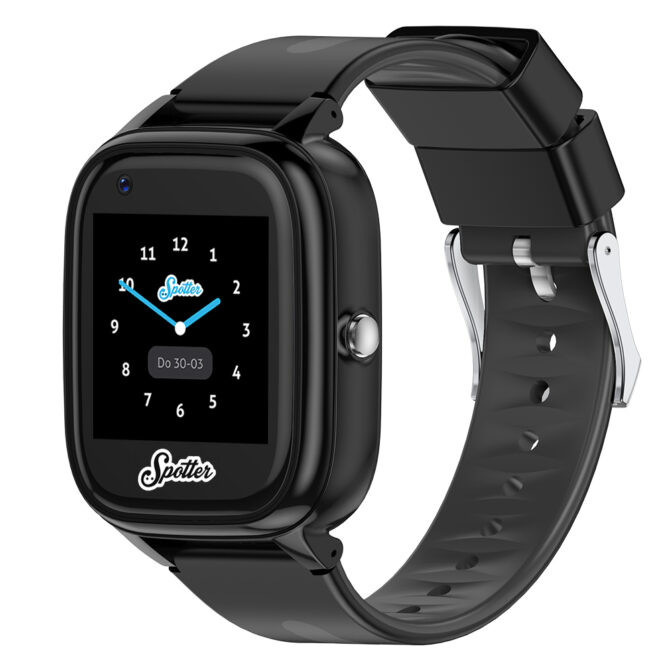
More and more carers are opting for a dementia GPS watch because it looks discreet and is comfortable to wear. The user hardly notices the technology, whilst the family can always be reassured via an app.
The power of an SOS button
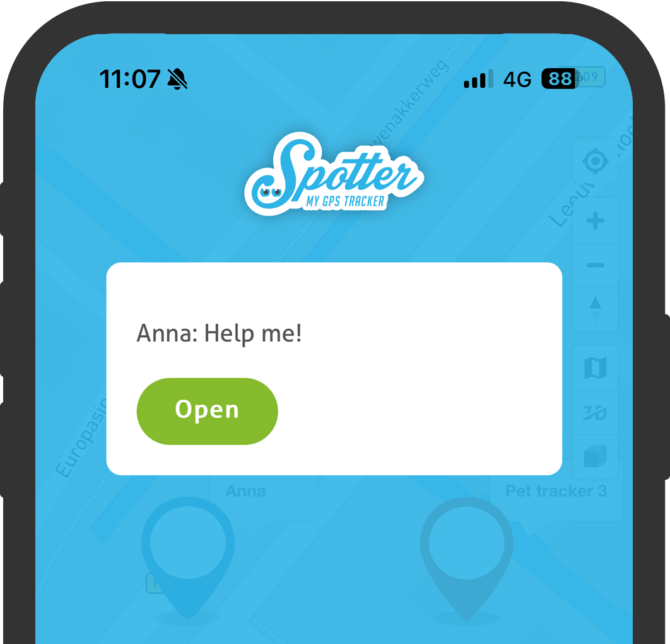
Many modern trackers are equipped with an SOS button for people with dementia. This is a simple, large button that the wearer can press in an emergency.
When pressed, the carer or family member immediately receives a notification or a phone call, so that action can be taken quickly.
This feature not only offers extra safety, but also a sense of independence for the person with dementia. They know that help is always within reach.
The benefits of geofencing technology
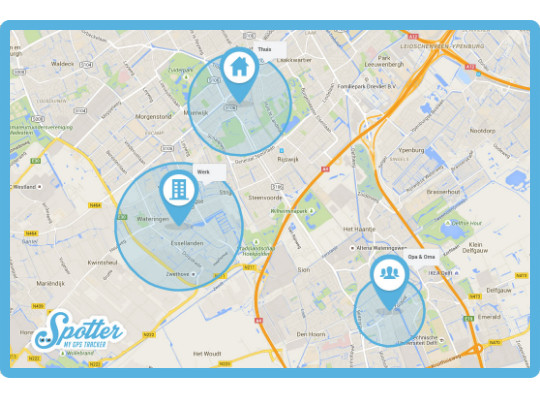
One of the most popular features is the geofence technology for dementia. This allows you to set up safe zones via the app, for example around the home, the supermarket or the park where someone likes to go for a walk. As soon as the wearer leaves this zone, you receive an alert. This means you don’t have to constantly check their location, but you do know immediately if something is wrong. This technology makes it possible for people with dementia to continue to carry out activities independently, within safe boundaries.
A GPS tracker that is subscription-free: a smart choice?
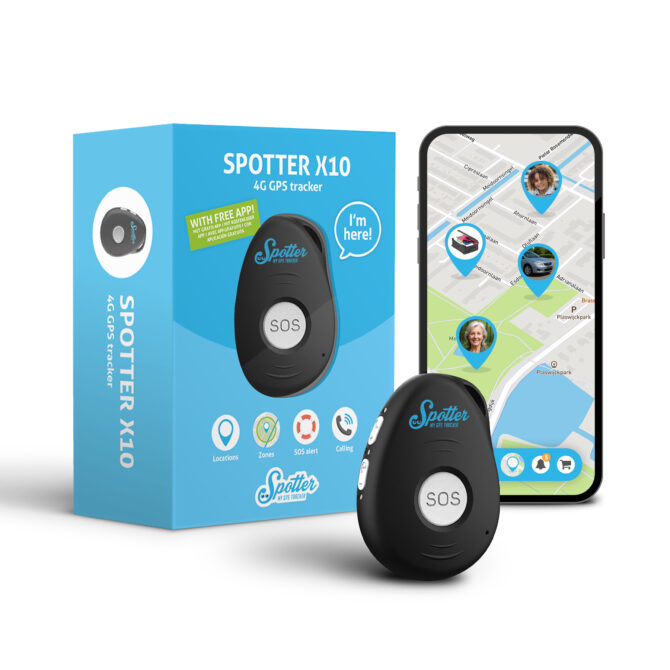
Many people are looking for a GPS tracker for dementia patients that is subscription-free. That’s understandable; nobody wants unnecessary monthly costs. These days, there are good options available where you only pay a one-off fee for the device. For example, the Spotter GPS Tracker X10.
The best GPS tracker for people with dementia in the Netherlands
There’s a wide range to choose from, but what is the best GPS tracker for people with dementia in the Netherlands? When comparing models, you should consider the following points:
- Ease of use: is the app user-friendly for carers?
- Comfort: is the watch or tracker comfortable to wear and is it water-resistant?
- Battery life: how often does the device need to be charged?
- SOS function: does it have a direct emergency button?
- Geofence: can you set up multiple safe zones?
- Price and subscription: does it fit your budget and requirements?
Popular brands such as Spotter now offer combinations of all these features, ensuring that both the wearer and the carer feel comfortable and safe.

GPS tracker for the safe outdoor use of people with dementia
Dementia can pose significant risks, particularly when out and about. An outdoor GPS tracker is therefore a valuable tool. Whether someone is popping out for a quick walk, heading to the shops or following a familiar route, the tracker ensures you always know where they are. Should someone unexpectedly wander off, you can call for help immediately or go to the location yourself thanks to the location data.
This not only gives peace of mind to family members, but also instils confidence in the person themselves. Thanks to the tracker, many people with dementia actually feel freer to do things independently, without fear or stress.
Experiences with GPS trackers for people with dementia: what do others say?
When you look up reviews of GPS trackers for people with dementia, you often come across stories from relieved carers. They describe how their partner or parent is once again enjoying short outings, whilst they have fewer worries. A common comment is that the combination of simplicity (one button, one app) and reliability makes a huge difference to daily life. Experiences vary from person to person, but the overall sentiment is positive: the technology bridges the gap between independence and safety.
Tips for choosing a GPS watch for people with dementia
-
Bear in mind comfort: choose a model that looks like a normal watch, so that the wearer will enjoy wearing it.
-
Check the battery life: ideally, the battery should last at least a few days.
-
Check out the app: user-friendliness is essential for carers.
-
Test the SOS button: make sure it is easily accessible and in working order.
-
Inform the wearer: calmly explain why the tracker is there, that it’s not about monitoring them, but about their safety.
Conclusion: a worthwhile investment in peace of mind
A GPS tracker for people with dementia is more than just a gadget. It is a tool that helps improve quality of life – for both the person with dementia and those around them. Thanks to features such as geofencing technology, an SOS button, and the ability to operate subscription-free, there is a suitable solution for every situation. Whether you choose a GPS watch for dementia or a discreet wearable device: the most important thing is that your loved one feels safe, and you can rest assured that they won’t simply wander off.


