Is an AirTag a GPS tracker?
In the world of object tracking, there are several options available to help you quickly find lost or stolen items. Two popular choices are the Apple AirTag and the Spotter GPS tracker. But are they truly comparable? Many people ask: can you use AirTags as GPS tracker? In this article, we compare the AirTag with a real GPS tracker and explain why a GPS tracker is often the better choice for reliably tracking your valuables, especially over long distances or in remote areas. Read on to learn more about the differences, the benefits of GPS tracking, and why a GPS tracker may be better suited to your needs.
What is an AirTag?
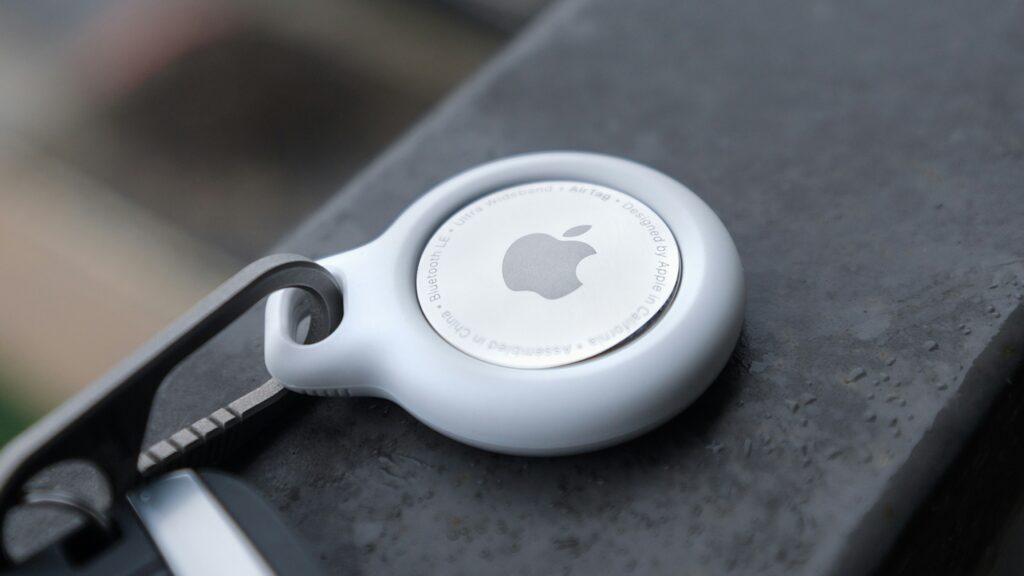
The Apple AirTag is a small, handy device designed to help you quickly find lost belongings. It works via Bluetooth and uses the network of Apple devices to relay the location. You can attach it to items such as keys, bags, or suitcases and use the “Find My” app to track them. At first glance, it may seem like the perfect solution—but are AirTags GPS trackers in the traditional sense? The answer is no. There are important limitations to keep in mind, especially if you are looking for a reliable and precise tracking device.
How does an AirTag work compared to a GPS tracker?
Although the AirTag is a useful tool for locating lost items, it works very differently from a GPS tracker. The AirTag does not use satellites to determine its location. Instead, it relies on Bluetooth technology to connect with nearby Apple devices. Once the AirTag is within range of another Apple device, the location is sent to your phone through the “Find My” network.
A GPS tracker, on the other hand, has its own built-in GPS system and uses satellites to track the location of an object, no matter where it is. This makes GPS trackers much more reliable for long-distance tracking, as they are not dependent on the presence of nearby devices. This independence is essential for monitoring valuable items like vehicles, machinery, shipments—or even loved ones and pets such as cats and dogs.

Are the GPS locations from an AirTag accurate?
While the AirTag can often provide a fairly accurate location, it is not always as reliable or precise as a GPS tracker. Because it depends on Bluetooth and the presence of Apple devices nearby, its performance is best in crowded urban areas where many Apple devices are present. In remote or rural areas, however, the accuracy drops significantly.
By contrast, a GPS tracker is designed to deliver exact locations at all times, regardless of how many devices are nearby. This makes GPS trackers far more dependable, particularly in areas with few or no other devices to assist with location data.
So, are AirTags worth it as a long-term tracking solution? The answer depends on your needs. For finding misplaced keys at home, they work well. But for serious, reliable tracking over long distances, a dedicated GPS tracker remains the stronger choice.

Why are GPS tracker locations more reliable?
GPS tracker locations are more reliable because they use satellite signals rather than depending on nearby devices like the AirTag. A GPS tracker can always determine the exact location, even in remote areas where no other devices are around.
For example, if you attach an AirTag to a bike and the bike gets stolen and moved to a less populated area, there’s a good chance you won’t receive an accurate location. This can be a major issue if you truly rely on quickly recovering your valuable belongings. It raises the question: can you use AirTags as GPS tracker? Technically no—because their reliability depends on Apple’s network, not on satellites.
Functions of an AirTag vs. a GPS tracker
One of the biggest limitations of an Apple AirTag is that it only shows the approximate location of an object. It does not provide additional features such as alerts or communication options. This means you can see roughly where the AirTag is, but you won’t receive notifications if the item leaves a certain zone, and you can’t make direct contact with the person carrying it.
A GPS tracker, such as the Spotter, offers far more features. In addition to accurate real-time location tracking, many GPS trackers include extras such as:
- Zone notifications (Geofencing) – Set virtual boundaries and receive instant alerts if an object or person leaves a defined area. Ideal for tracking children, pets, or vehicles.
- SOS button – For personal use, a GPS tracker provides an SOS button that sends an immediate emergency alert. This is an essential feature for seniors, children, or people working in risky environments.
- Call function – Some GPS trackers, like those from Spotter, have a built-in call function that allows direct communication with the wearer. This is extremely useful for children or seniors who may need immediate contact with a trusted person.
These features make a GPS tracker much more versatile and secure than an AirTag. While an AirTag only indicates a location, a GPS tracker offers genuine control and peace of mind.
How long does an AirTag last?
The battery life of an AirTag is around one year, which may be sufficient for casual users. It uses a CR2032 coin-cell battery that can be replaced fairly easily. While this sounds practical, frequent use for tracking valuables can drain the battery quickly. Depending on usage, you may need to replace the battery regularly, which can become inconvenient over time.
How much does an AirTag cost?
The price of an AirTag is appealing for consumers looking for a low-cost option to track small items. An AirTag costs about €35 each, or you can buy a bundle of four for around €119. At first glance this seems reasonable, but remember that AirTags are most effective in urban areas where many Apple devices are available to relay the location. This is why many still wonder: are AirTags worth it when compared to dedicated GPS trackers?
If you’re looking for a more versatile and reliable tracking solution, a GPS tracker is often the better choice. Prices vary depending on the model and features, but Spotter GPS trackers are available starting from €99.
Conclusion: Why choose a GPS tracker instead of an AirTag?
Although the Apple AirTag appears to be a convenient and affordable solution for tracking small objects in urban areas, it does not provide the reliability or advanced functionality you need when it truly matters. GPS trackers offer a much more robust and precise solution for tracking items, people, or pets over long distances, in remote areas, or in situations where you need complete control.
« Terug