What Is the Difference Between GPS and GPRS?
In the world of modern technology, terms like GPS and GPRS often appear. Although they may seem similar at first glance, they are fundamentally different in their functions and applications. Understanding this difference is essential, especially if you are working with devices such as a GPRS tracker, which can use both GPS and GPRS technology.
Definition of GPS
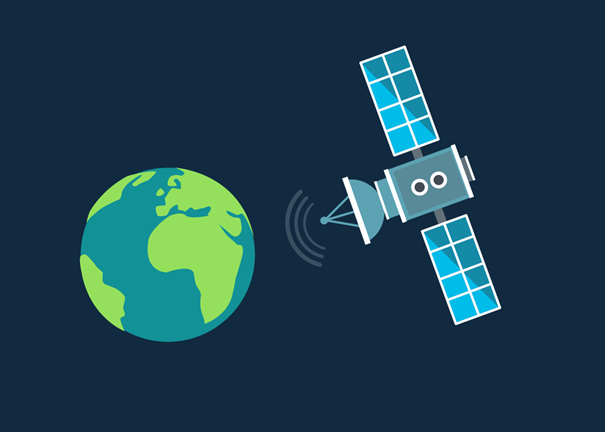
GPS stands for Global Positioning System and is a satellite-based navigation system that determines the exact location of an object, person, or vehicle. This GPS tracking system works through satellites that constantly send signals to GPS receivers on Earth. Using these signals, the GPS receiver calculates the location with impressive precision, often accurate to just a few meters.
GPS is mainly used for navigation, location tracking, and real-time tracking devices. Examples include navigation systems in vehicles, GPS trackers, or sports watches that record running routes. One key advantage of GPS is that it works without an internet or mobile connection, making it particularly useful in remote areas with no network coverage. You can read a detailed explanation of the GPS system here.
Definition of GPRS
GPRS, or General Packet Radio Service, is a mobile network technology for data transmission. It is an extension of the 2G network and is often considered the predecessor of modern 3G and 4G networks. With GPRS, data packets can be sent and received via mobile connections, enabling applications such as email, internet access, and certain tracking services.
If you are wondering “What is GPRS?”, it can be simply explained as an older technology that allows mobile devices to connect to the internet and transmit data. Although GPRS has largely been replaced by faster technologies, it remains relevant for devices that only process small amounts of data—such as some GPS tracking devices.
The Difference Explained
The main difference between GPS and GPRS lies in their functions:
- GPS: Determines location via satellites.
- GPRS: Transmits data via mobile networks.
A GPRS tracker often combines both technologies. The device uses GPS to determine the exact location and then uses a GPRS connection to send this data to a server or app. This allows you to track the location of the device in real time, wherever you are.
Connectivity with GPS Tracker
By combining GPS and GPRS, GPS trackers can not only determine the exact location of an object or person but also transmit this information instantly. Companies such as Spotter GPS, which specialize in tracking solutions, often use this combination to deliver accurate and efficient GPS tracking services.
A GPS tracker can be used to track people, vehicles, pets, or valuable items. By allowing GPS and GPRS to work together, these devices provide both accurate location data and reliable data transmission. This technology is essential for both personal and business applications.
Different Types of Practical Trackers
There are many different types of GPS trackers used in various scenarios. Some trackers offer real-time location tracking, while others only send data at specific times or when necessary. GPRS-based trackers are often more cost-effective and offer sufficient performance for most applications where speed is less important.
If you want to learn more about GPS technology, there are many resources available to help you fully understand its potential.
Conclusion
Although GPS and GPRS are often confused, their functions complement each other perfectly. GPS provides precise location determination, while GPRS handles data transmission. Together, they form the basis for technologies such as the GPRS tracker, which works efficiently and reliably. By understanding how these systems work, you can unlock their full potential, whether you use such a device for personal or business purposes.
« Terug